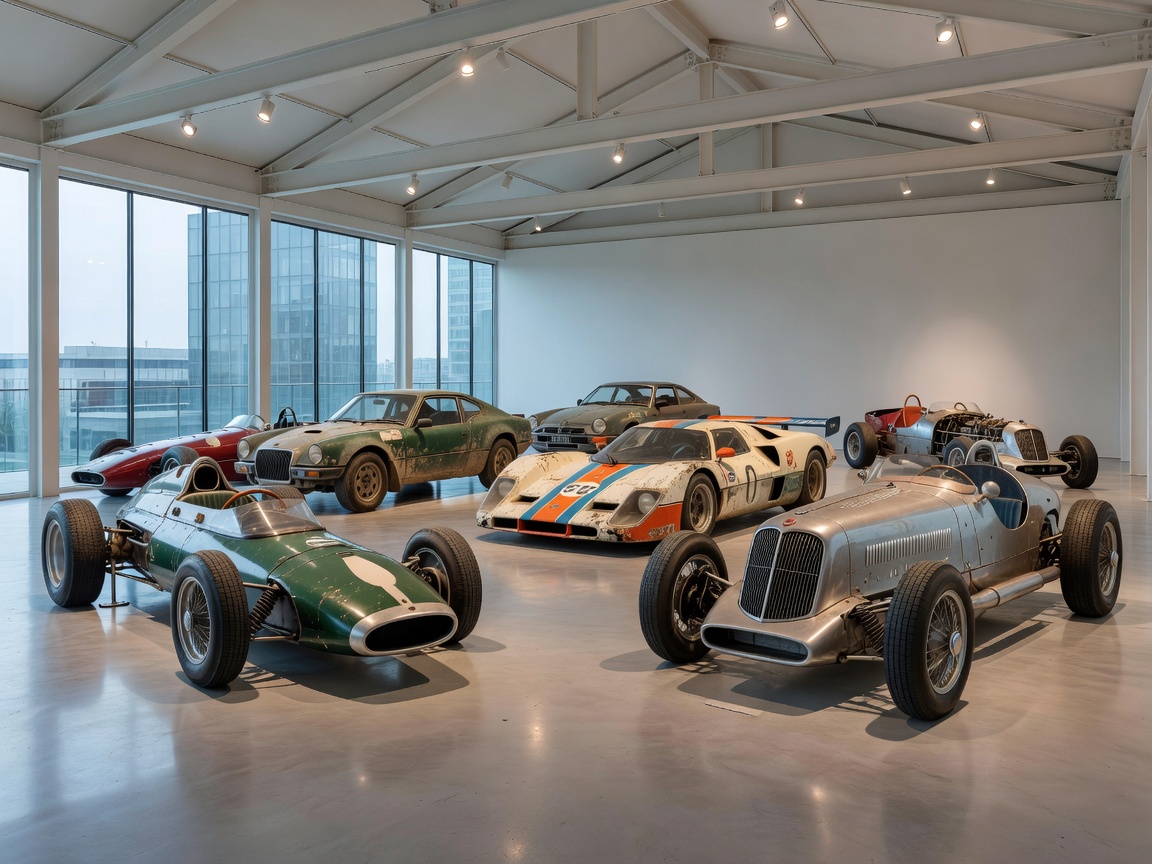
Motorsport museums offer a different way to encounter racing. Instead of watching speed unfold, visitors can take time with the objects, design decisions and human ingenuity that make competition possible. Displays can connect engineering with culture: a shape made for performance, materials developed for a particular purpose, or a vehicle that represents a period in automotive history.
More than cars on display
Collections and exhibitions vary widely. Some museums focus on a manufacturer and its wider history; others interpret a region, a sport or a broader relationship between mobility and society. A visit may bring together historic vehicles, technical material, archive imagery and the design of the building itself. Exhibition approaches change over time, so it is best not to assume that a particular object or temporary display will be present on a future visit.
In Italy, Museo Ferrari in Maranello and Museo Enzo Ferrari in Modena are recognisable automotive destinations. Germany's Mercedes-Benz Museum and Porsche Museum in Stuttgart explore the histories and design cultures of their respective manufacturers. In the United Kingdom, the National Motor Museum at Beaulieu provides a wider motoring context. These are independent destinations with their own visitor arrangements; check each institution's current information before planning.
Racing heritage and engineering
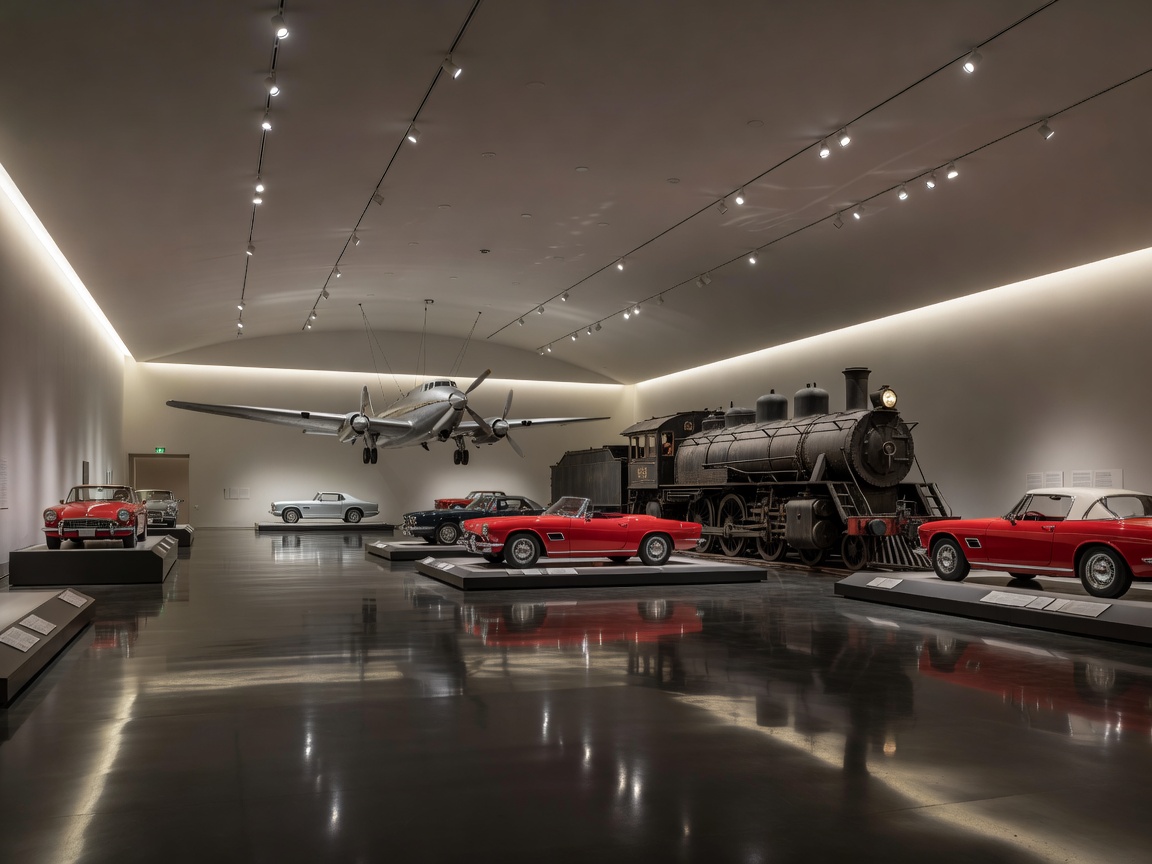
Motorsport history is not only a sequence of famous races. It also involves materials, safety, aerodynamics, manufacturing and the demands placed on people who design and operate machines. A museum can help make these connections visible. Visitors who are new to the subject can begin with the way a vehicle is presented; enthusiasts may enjoy looking for technical detail and historical context. Design-minded visitors can pay attention to proportion, surface, colour and the ways objects are staged.
Manufacturer museums often provide an institutional view of a company's story. That can be valuable, while also reflecting the perspective of the organisation whose history is presented. Independent museums may frame material differently. Neither approach needs to be treated as a complete account of motorsport; each can contribute a useful perspective.
Pair a museum with a circuit
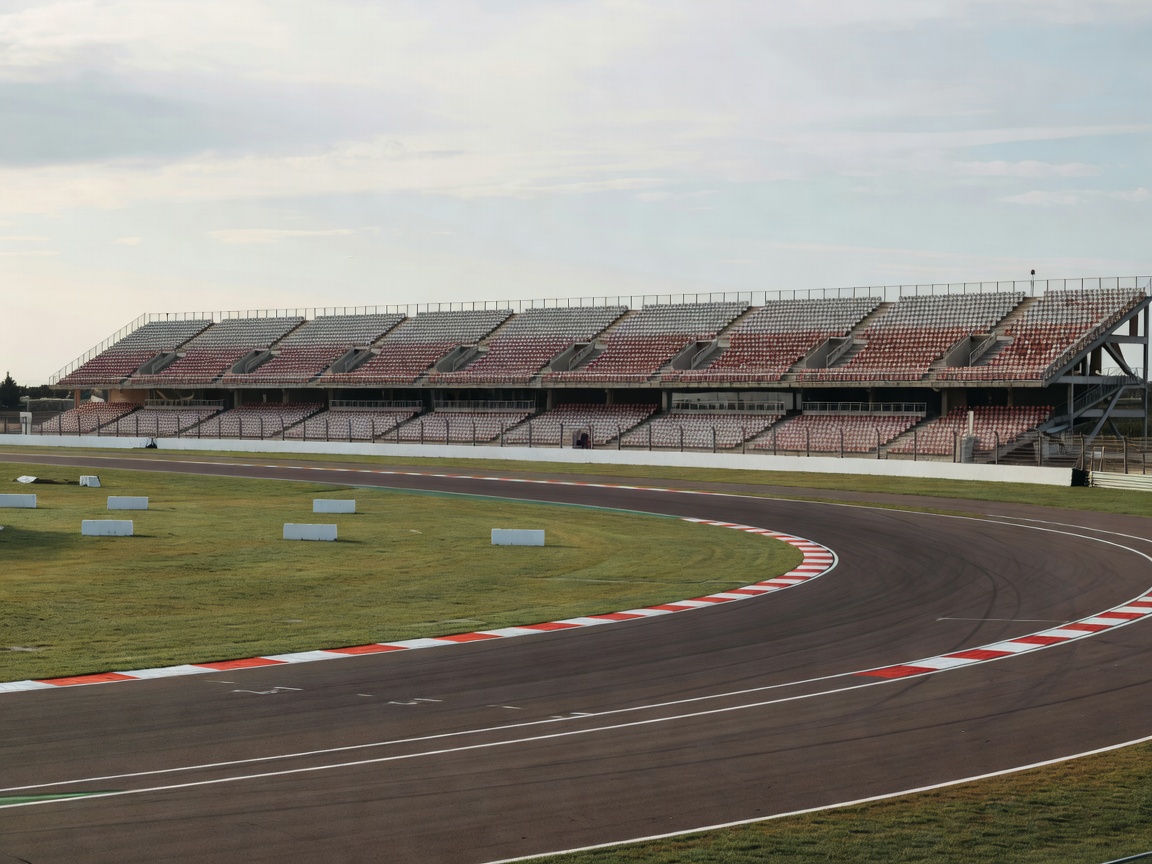
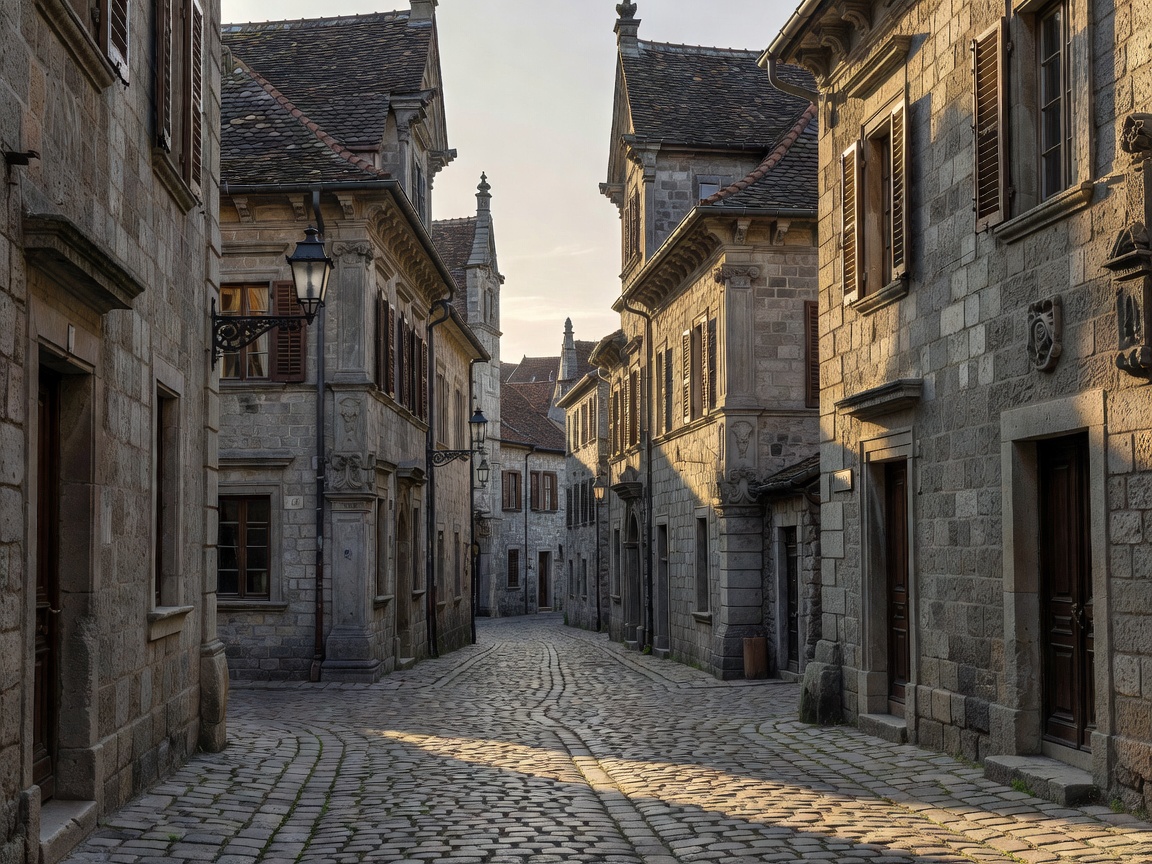
Combining a museum with a circuit can make a strong itinerary, especially when the destinations are within a manageable travel radius. Consider how much time you want for each visit and whether the museum and circuit have separate opening or access arrangements. A day that includes long transfers can become rushed. A more relaxed plan may place the museum on a different day, leaving room for a city neighbourhood, a meal or a historic centre.
Not every museum is beside a circuit, and transport links differ. Map out the sequence using current route information from reliable transport providers. If visiting with children or a mixed-interest group, consider breaks and varied activities rather than trying to pack every attraction into one day. Allow time to read, look closely and enjoy the displays at your own pace.
Choosing a museum destination
Think first about the story that interests you: a manufacturer, a particular era, racing engineering, automotive design or a broad motoring collection. Then compare the museum's location with your wider travel plan. A city-based museum may fit easily into a cultural break; a destination outside a major centre may suit a road trip or a dedicated day. Architecture, location and local food can all form part of the experience.
Visitor details are changeable. Opening schedules, exhibitions, ticket arrangements and temporary displays can change, and we do not publish unverified schedules or prices. Consult the museum directly for current information before departure. Our guide is independent and does not represent any museum, manufacturer or racing organisation.
Good for
- Automotive enthusiasts
- Motorsport historians
- Design enthusiasts
- Families
- Cultural travellers
What to know
Opening schedules, exhibitions, ticket arrangements and temporary displays can change. Confirm current visitor information with the museum.