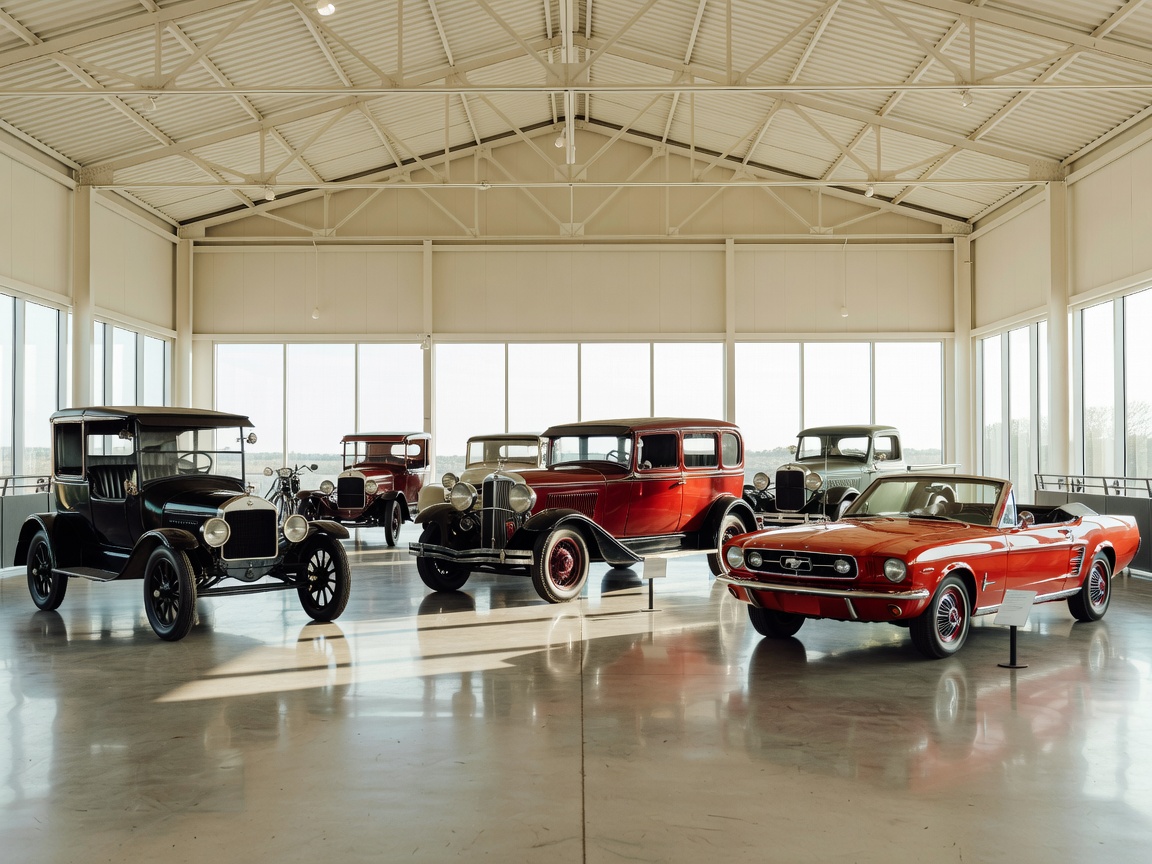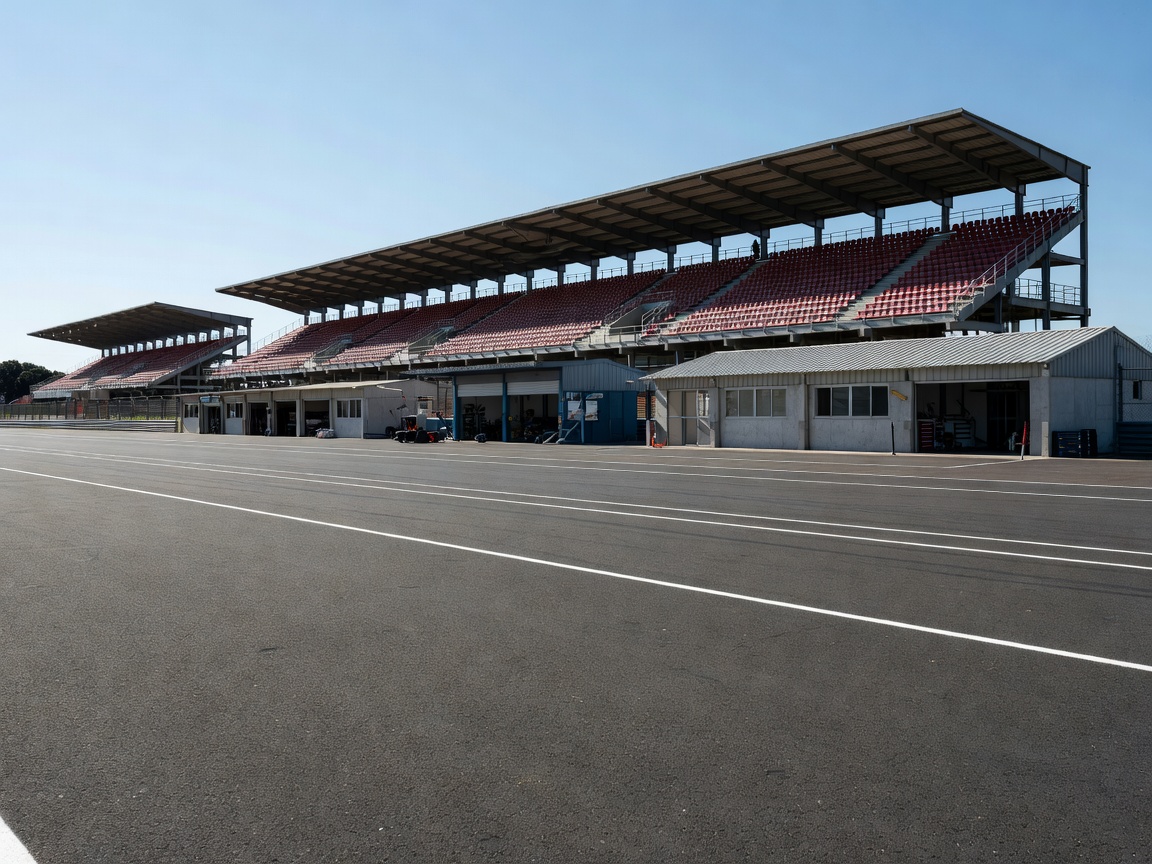
Europe's racing circuits are varied in both design and setting. Some sit within open countryside, others form part of a metropolitan landscape, and many have evolved over long periods alongside the communities around them. Thinking about the venue as a destination makes it easier to plan a trip that includes the racing, the journey and the place itself.
Different circuits, different journeys
Permanent circuits are purpose-built venues with defined facilities and established layouts. Their location may be rural or close to a city, so the travel question is often how to connect the circuit with a practical overnight base. Spa-Francorchamps, in Belgium's Ardennes, is associated with a wooded and hilly regional setting. Monza sits within a large park in Lombardy, with Milan adding a major city option to the wider trip. Silverstone is a countryside destination in Northamptonshire, where advance attention to event-day access can be useful.
Street circuits have a different relationship with the places around them. Monaco is an obvious example: the route belongs to a compact urban setting, and the city's steep streets, waterfront and built environment are part of its identity. Circuit surroundings can influence where you stay, how you move around and what else you can reasonably include in a day.
Architecture, history and landscape
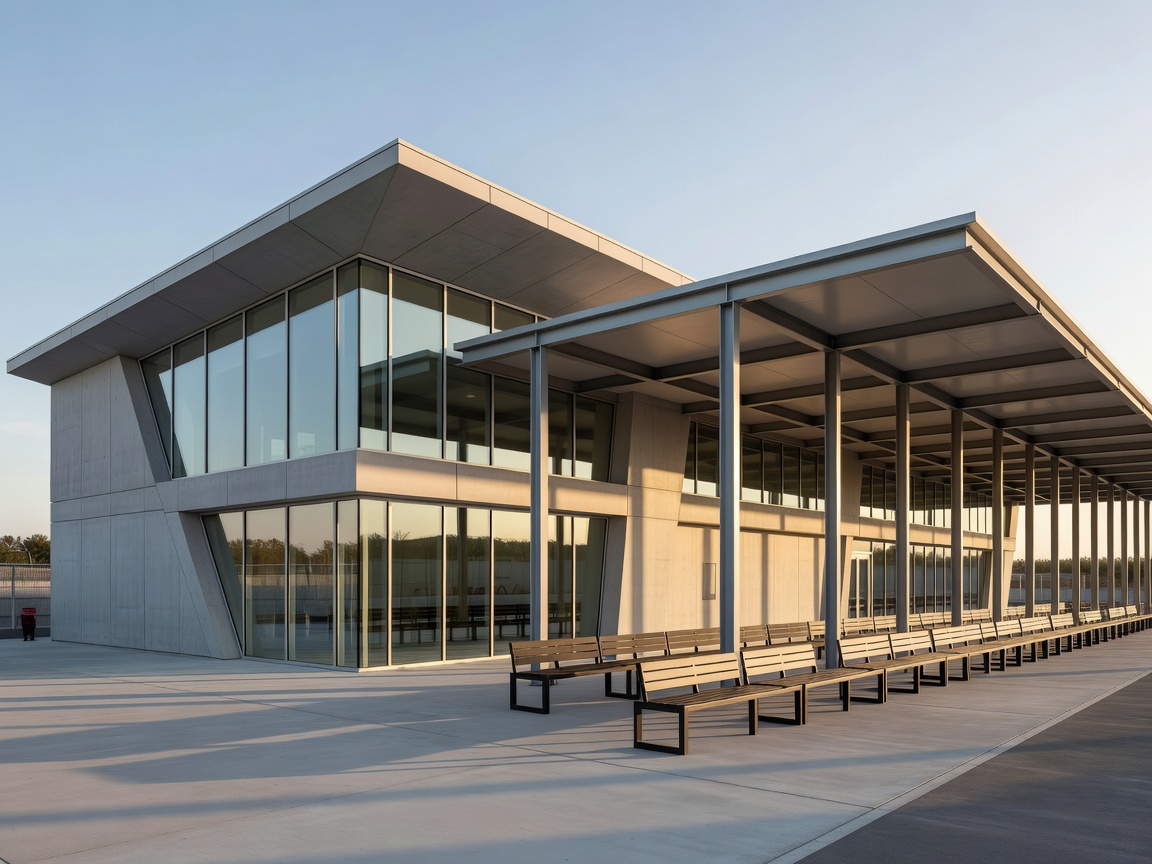
Grandstands, pit buildings, access roads and spectator areas reveal how a venue is organised. Older and newer elements may sit together, reflecting changing ideas about viewing, safety and event operations. Some venues are remembered for their history; others are notable for a modern facility or a dramatic regional setting. Imola, the Nürburgring, the Red Bull Ring, the Hungaroring and Circuit de Barcelona-Catalunya each offer a different geographical and cultural frame. These names are starting points for research, not a ranking: their visitor arrangements and event programmes are not interchangeable.
Landscape matters even when the circuit is the main reason for travelling. A hill or forested setting can make the approach feel remote; an urban venue can bring restaurants, accommodation and cultural sights closer together while creating different crowd and access patterns. Allow time to understand the region rather than assuming the circuit alone defines the trip.
A practical way to compare venues
Compare destinations across a few useful dimensions: permanent or street setting; rural, parkland or urban context; proximity to rail and air connections; available accommodation choices; and the kind of non-racing visit that interests you. A road-trip traveller may value regional scenery and flexible mobility. A photographer may be interested in how architecture, topography and light shape a venue. A history enthusiast may want to pair the circuit with a museum or heritage stop. These are planning lenses, not promises about access or facilities.
Accessibility deserves early attention. Distances between parking, public transport, entrances and viewing areas can vary, and the usable route may depend on the event and venue. Visitors with mobility, sensory or other access requirements should consult the circuit and event's current accessibility information directly. Do not assume that a permanent venue is open to casual visitors outside organised activities.
Planning a circuit visit
Start by confirming whether the circuit is open to visitors for your intended purpose and date. Check official venue and event information for access arrangements, entry conditions and any restrictions. Then consider the approach: airport or rail connections, local transfers, driving and parking, or a combination. Build in time for potential congestion and identify a backup route or meeting point. If the trip includes several stops, keep driving distances realistic and avoid relying on unverified journey times.
European motorsport history is layered. Historic venues and newer facilities each tell part of the story of how racing has changed, while nearby cities and landscapes add another dimension. A thoughtful circuit itinerary can include a museum, a historic centre or a quiet regional day between event sessions. Our independent guides provide general context only; events, access and visitor arrangements change, so confirm current details with relevant organisers and providers before travel.
Good for
- Motorsport enthusiasts
- Photographers
- Architecture enthusiasts
- Road-trip travellers
- European travellers
What to know
Circuit access varies. Events and visitor arrangements can change, and public access is not always available. Check current event and venue information before travelling.