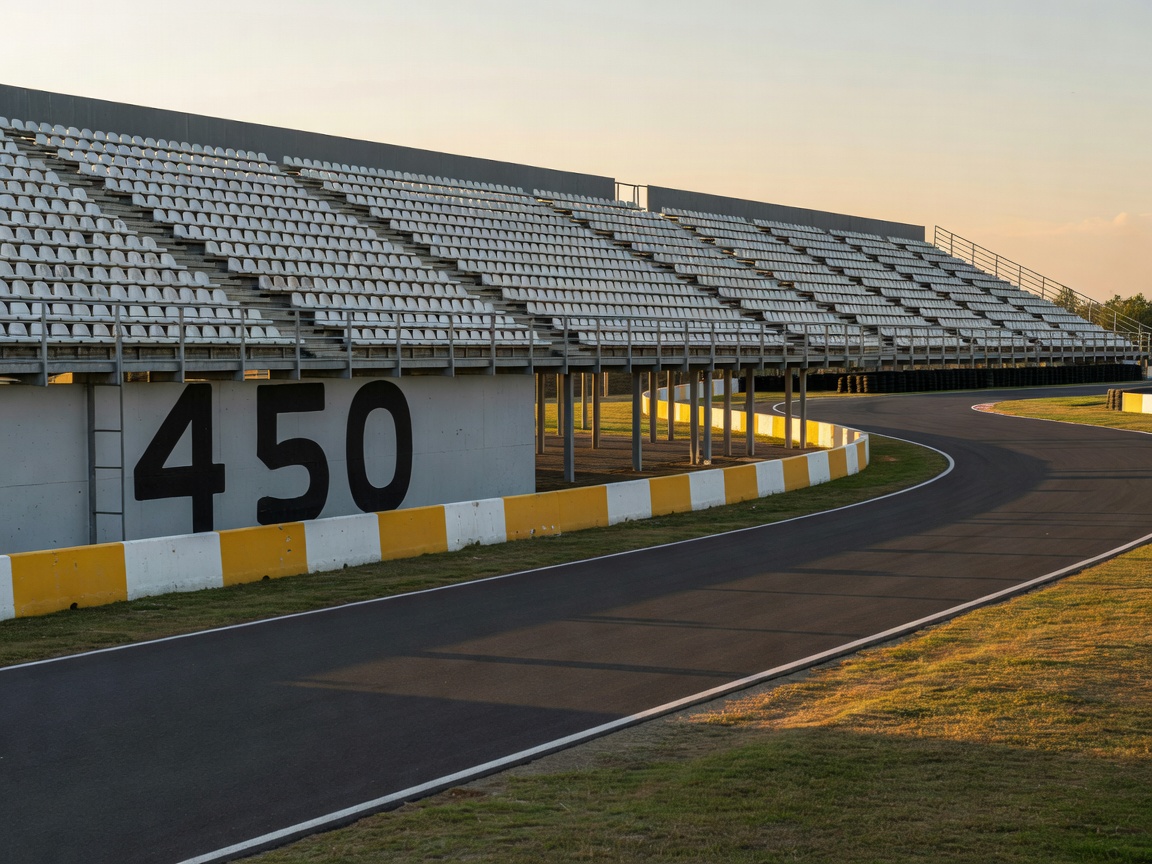
A circuit may be the reason for a trip, but transport determines how the rest of the destination feels. A venue close to a city can offer one set of choices; a rural site may need more deliberate planning. The journey often involves several modes—an international flight or train, a regional connection, and a final transfer—so it helps to think in stages.
Start with the first and final mile
Identify the airports and railway stations that could serve your destination, then compare how each connects with your accommodation and the venue. The nearest airport is not automatically the easiest option if onward connections are limited or inconvenient. Similarly, a station may be useful only when combined with a local bus, taxi, shuttle or pre-arranged transfer. Check current routes, service notices and schedules with the transport operators; this guide does not publish live timetables.
For rural circuits, a rental car or road trip may create flexibility, but think about driving, parking, navigation and event-day traffic. If you prefer not to drive, investigate whether the venue or organiser provides current transport guidance. Do not assume that a shuttle or public transport service operates for every event.

Compare rail, road and local movement
Rail can be a convenient way to reach a major city or regional hub, while driving may suit a multi-stop itinerary. The choice depends on the location, group size, luggage, accessibility requirements and timing. Compare the full door-to-door journey, not just the longest leg. Include transfer waiting time, walking distances, parking arrangements and how you will return after the event.
At a circuit, event-day access can differ from normal travel. Temporary traffic plans, restricted approaches or crowd movement may affect routes. Confirm the latest guidance through official channels before departure and allow a generous margin. If using a taxi or hired vehicle, establish a clear pick-up point and an alternative meeting location in case your initial plan changes.
Make a place of the surroundings
Surrounding attractions can turn an event trip into a richer European journey. A historic district, local museum, regional food market, architecture walk or scenic area may fit naturally into a free day. Monza combines a circuit destination with a parkland setting and access to Lombardy's urban culture. Monaco's racing identity sits within a compact Mediterranean city environment. Spa-Francorchamps is associated with the wider Ardennes landscape, while Silverstone belongs to a rural English context. These broad descriptions help orient a trip; they are not claims about current access or a specific itinerary.
Consider what is realistic for your available time. Choose attractions that fit the route and your group's interests rather than trying to cover too much. Restaurants and local food are often a rewarding way to experience a destination, but opening hours and availability change; research directly before relying on a particular plan.
Accessibility and practical planning
Check step-free routes, walking distances and transfer arrangements in advance if accessibility is important to you. Ask transport providers and venues specific questions about the journey rather than relying on broad labels. For long days, account for rest, weather and luggage. Save key addresses offline, keep booking details accessible and agree on a meeting point with travelling companions. If you are crossing borders, think about payment methods, mobile data and any relevant documentation.
Transport choices also shape where to stay. A central base may make cultural exploration easier; a rural stay may be more practical with a car. Compare both the event-day route and the non-event itinerary before booking. Leave contingency time between connections and avoid planning an essential transfer around an unverified schedule.
European motorsport travel is at its best when the circuit and its context work together. A track visit can sit alongside a museum, architecture, food and landscape, provided the travel plan remains flexible. The Atlas is an independent editorial resource, not a transport operator or event organiser. Schedules, routes, access conditions and attraction arrangements can change. Confirm details with the relevant providers and venues before travelling.
Good for
- Independent travellers
- Road-trip planners
- Culture-led visitors
- Visitors combining several stops
What to know
Transport schedules and local access arrangements change. Use current information from official providers and venues.